Mercedes-Benz SL R107 radiator restoration: when a classic needs a new cooling heart
Some cars do not just bring a radiator to the workshop. They bring a story with them.
This time it was the water radiator from a Mercedes-Benz SL, the R107 series, a car from the days when a long bonnet, chrome, leather and a star on the nose were enough to tell you this was no ordinary car.
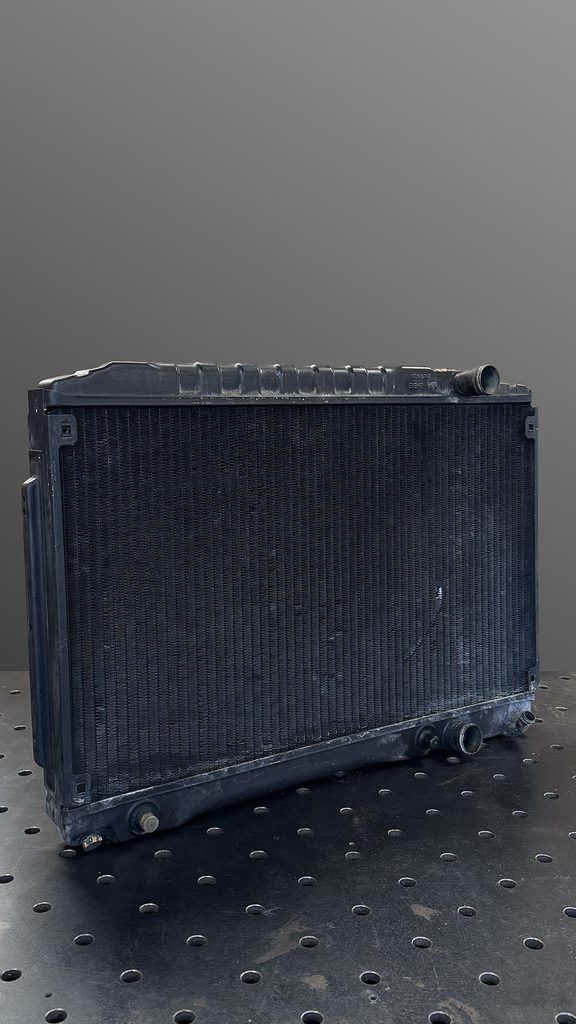
Mercedes-Benz R107, successor to the legendary Pagoda
Mercedes-Benz introduced the R107 in the spring of 1971 as the successor to the W113 SL, better known as the Pagoda. The R107 is not a Pagoda itself, it is the car that followed it.
The new SL was different. More grown up, more comfortable and considerably more imposing. It stayed an open two seat roadster, but combined its sporting character with comfort, safety and prestige.
The R107 also went into the brand’s history as the generation in which Mercedes-Benz first offered V8 engines in the SL. At launch the 350 SL had a 3.5 litre V8, and over the model’s long life the engine range changed several times.
How good the basic design was is best shown by time. The R107 was built for more than 18 years, from 1971 to 1989. An exceptionally long run for an SL, and today it is one of the most recognisable classic Mercedes roadsters.
On a car that is four or five decades old, sooner or later it is the turn of the part you barely notice from the outside. The radiator.
Original radiator, worn out core
The radiator that came into the workshop was still from the era when car radiators were built to be repaired and restored, not only replaced. An original unit, with the original markings on the tank.
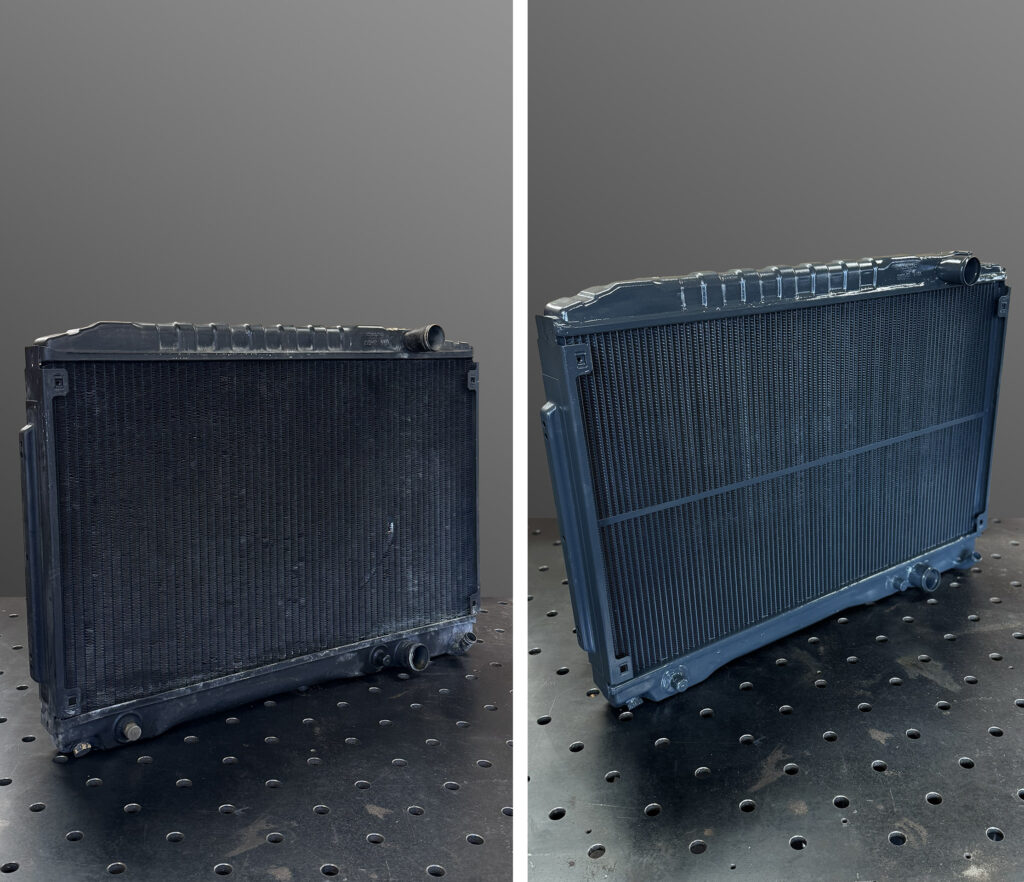
The basic parts were still usable. The problem was where you expect it on a water radiator this old, in the worn out core. Damaged fins, traces of corrosion, material at the end of its road.
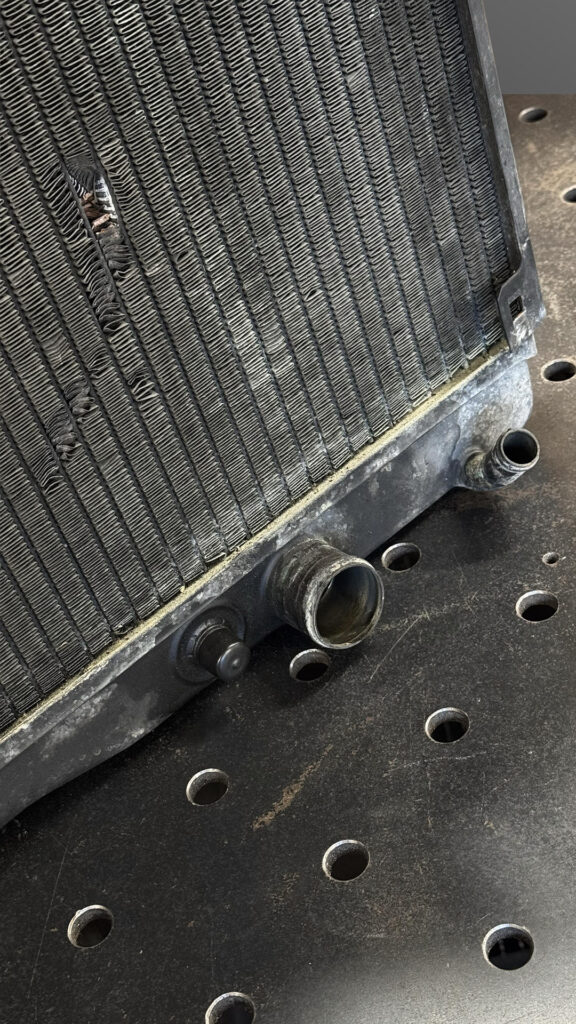
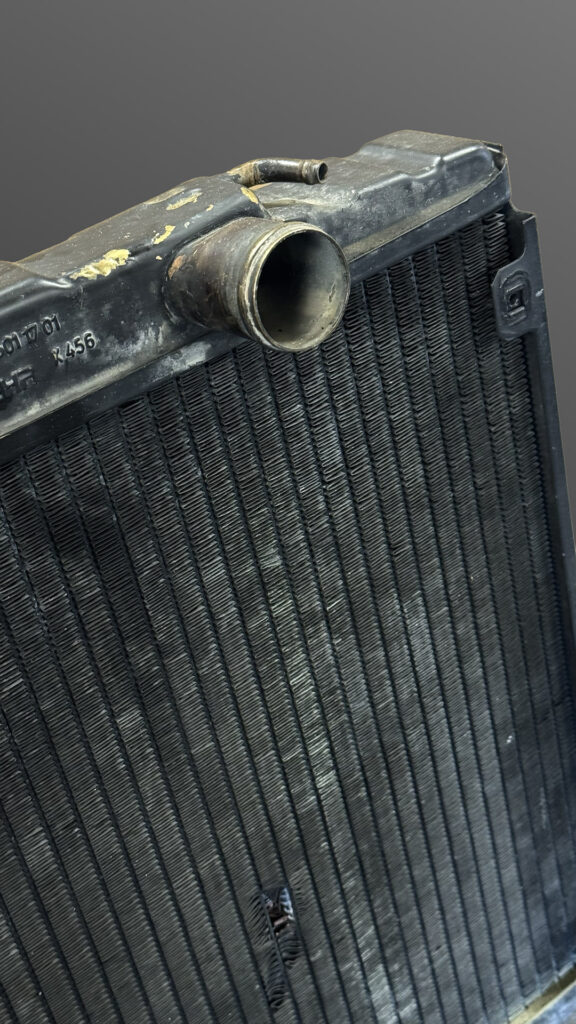
The core is the most important part of a radiator. Coolant runs through the tubes, while the fins greatly increase the surface through which heat passes into the air. Decades take their toll. Temperature cycles, vibration, moisture, dirt and corrosion slowly wear the material down. The radiator starts to leak, and even before it drips it transfers heat less and less efficiently.
For a piece like this, the answer is not necessarily a new replacement part. The answer is a proper restoration. Which route pays off when is explained on our services page.
Recoring the Mercedes-Benz R107 radiator
We dismantled the radiator and removed the old core. Everything worth keeping was kept, cleaned and prepared for refitting. Then came the key part, the new core.
We fitted a two row core, visually identical to the original McCord, but with a denser fin pitch and slightly thicker. A denser fin pitch means more surface for heat transfer, more thickness means more material to carry that heat. In short, the original to look at, a little more than the original to work with.
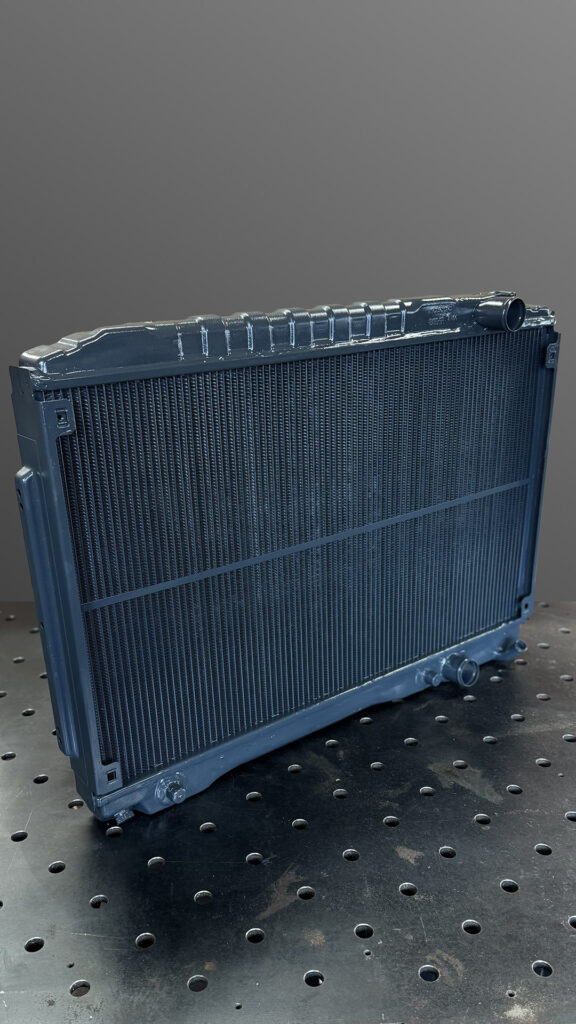
With classics that is an important difference. We do not build new just because something is old. First we look at what can stay, then we replace what is genuinely worn out. The radiator keeps its original design, connections, mounting and appearance, while its most important part gets a new life.
Assembly and pressure test
Once the radiator is assembled, the job is still not finished. An inspection and a pressure test follow, in this case at 3.5 bar. Only then do we know the restored radiator is ready to be fitted. A radiator that fails the test does not leave the workshop.
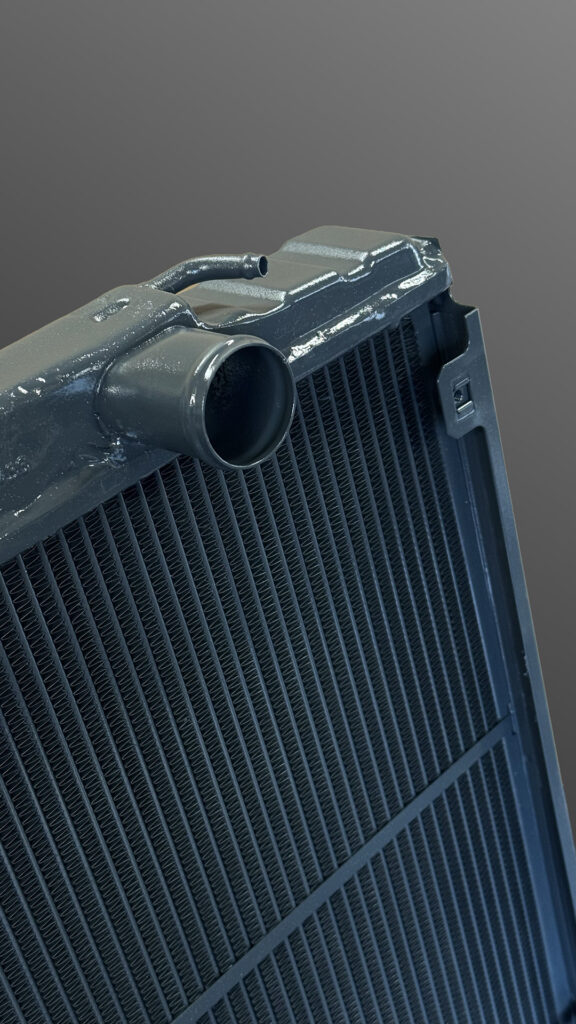
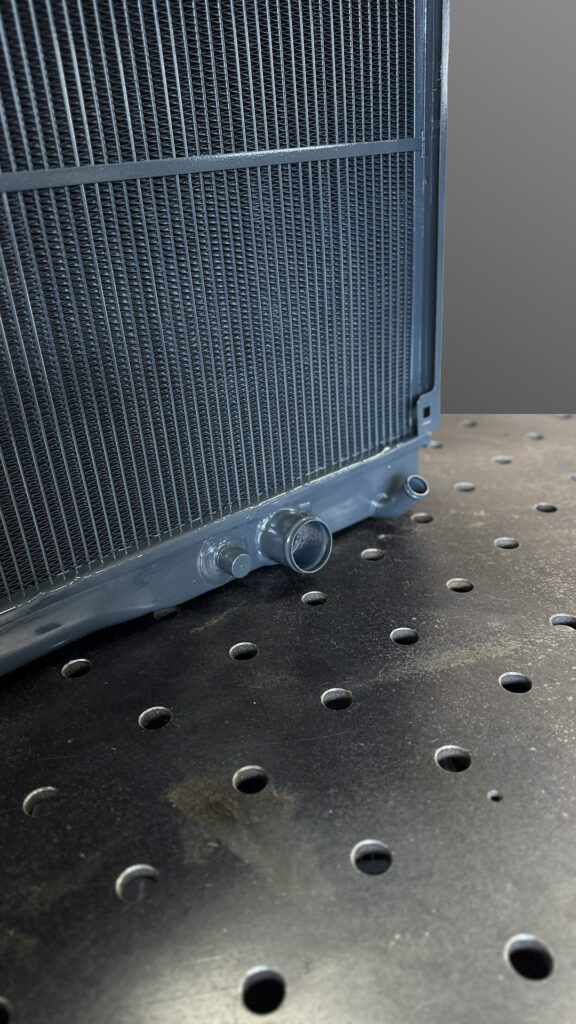
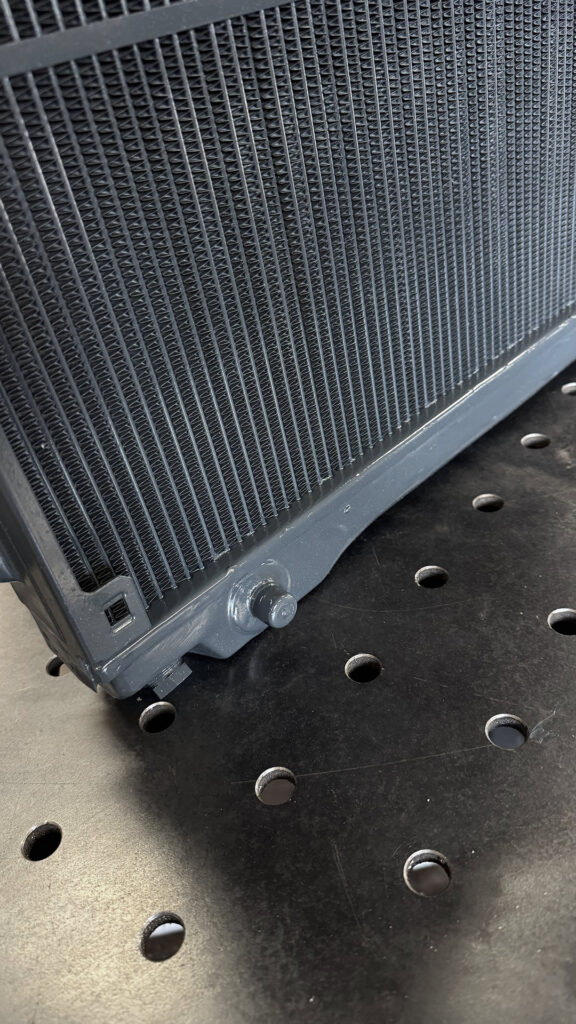
At first glance the result is not dramatic. It still looks like a radiator for a Mercedes-Benz R107. And that is exactly the point.
With a classic, the goal is not to make something new
With classic cars the greatest value often does not lie in throwing away the original part and replacing it with something modern. It is often better to keep the original construction and restore what age has actually worn out.
On this Mercedes that meant a new core in the original radiator. A classic on the outside, ready for work again on the inside.
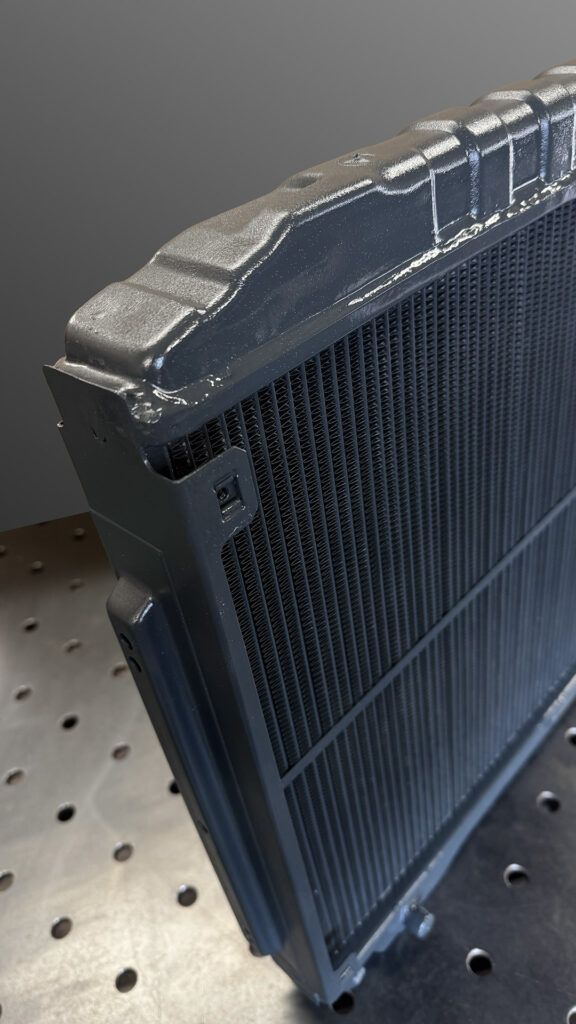
Mercedes-Benz SL R107, 1971 to 1989. Some things were made to last. Others were made so they can be restored.
Do you have a classic with a tired radiator? Send us photos, basic dimensions and the vehicle details. We will check repair, recoring or a custom build. We ship across Europe.
Behind every cooler, a craftsman.