Kiler: the Slovenian workshop word for a radiator
Say kiler in a Slovenian workshop and nobody asks what you mean. The word feels so native that most people never notice it did not start out in Slovenian.
In written Slovenian you write hladilnik, radiator. In the workshop, generations have lived with kiler, dihtunga, lager, šrauf and hauba, words that came into our technical speech from German.
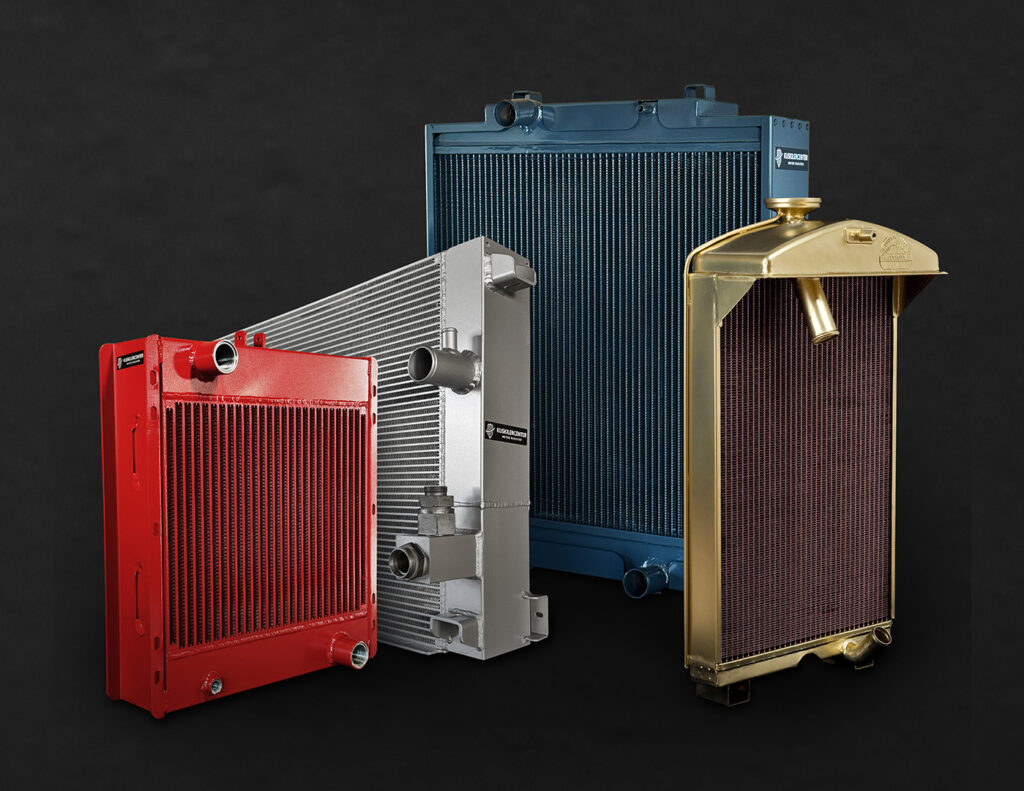
With kiler the path is unusually clean. The German noun Kühler means a device that cools, and Duden gives as its first meaning the radiator of a motor vehicle. German has the vowel ü, which Slovenian does not, so on borrowing it shifted to i. Kühler naturally became kiler.
Older than the car: kühl, kühlen, Kühler
The German word family is older than the automobile. The adjective kühl means cool and goes back to Middle High German küele and Old High German kuoli. The verb kühlen means to cool. Kühler is literally the thing that cools.
Kühler also has other technical meanings, for example the condenser used in distilling. In older technical slang, kiler was not necessarily limited to cars.
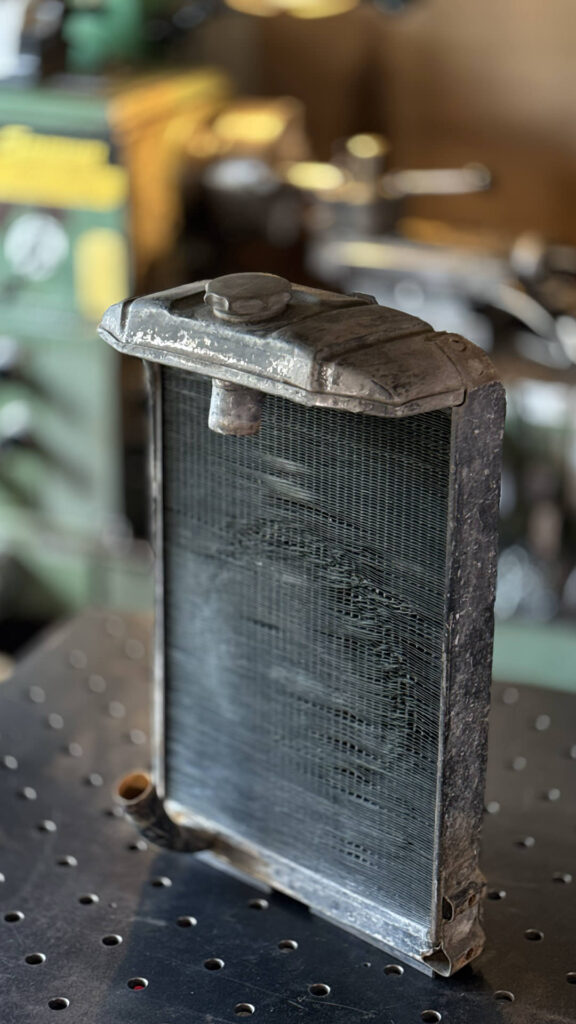
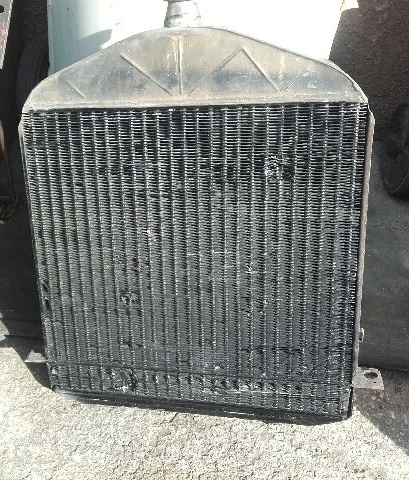
German Kühler was borrowed twice. By meaning as hladilnik, and by sound as kiler. The two have lived side by side ever since.
When the car got a proper radiator
For the automotive meaning the key period is around 1900. Cooling the engine was one of the biggest design problems of the early car.
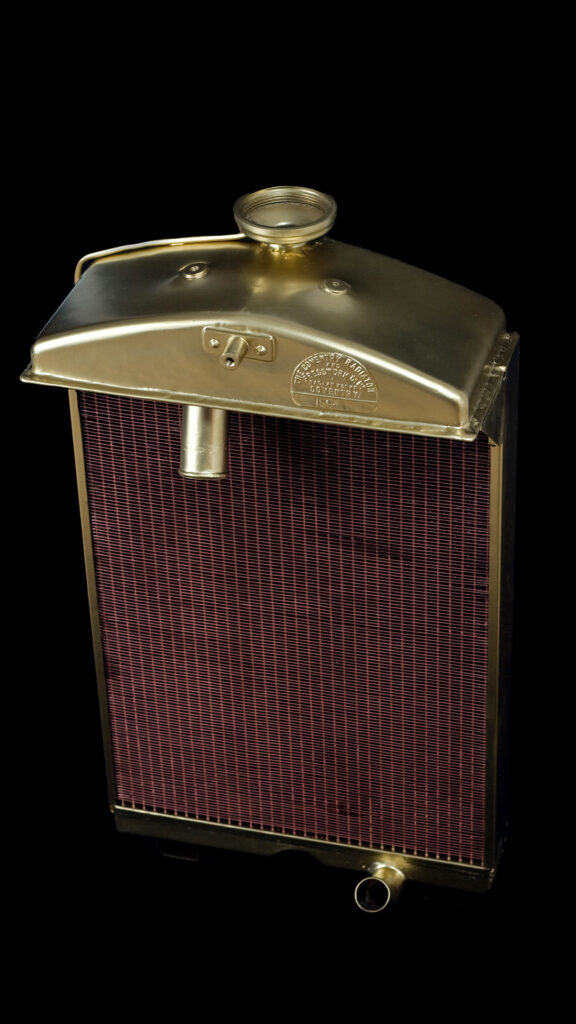
In its own historical account Mercedes-Benz notes that Wilhelm Maybach developed a tubular radiator in 1897 and the famous honeycomb radiator in 1900. It had more than 8,000 small tubes and was one of the key elements of the Mercedes 35 PS. Maybach filed the patent on 20 September 1900.
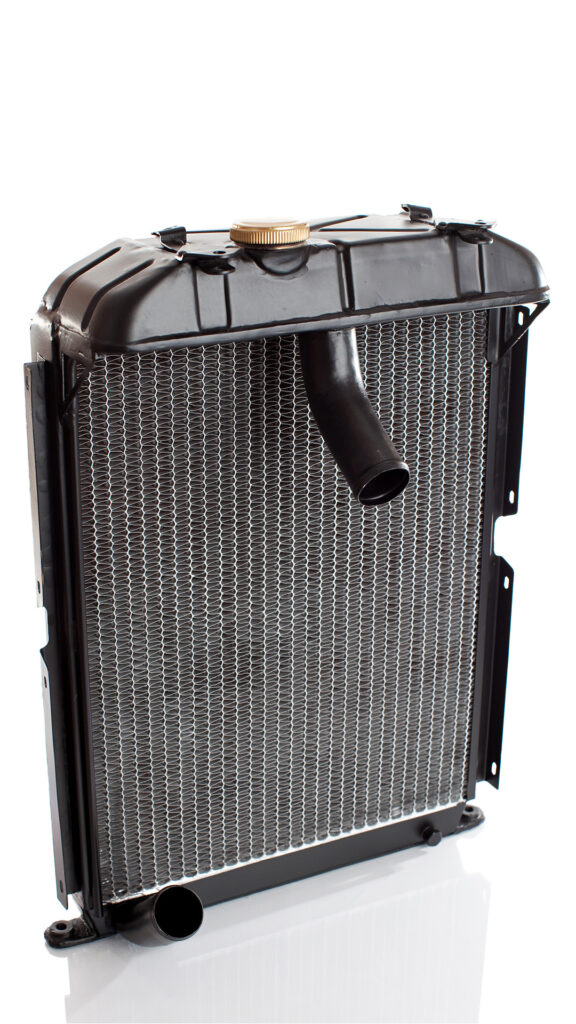
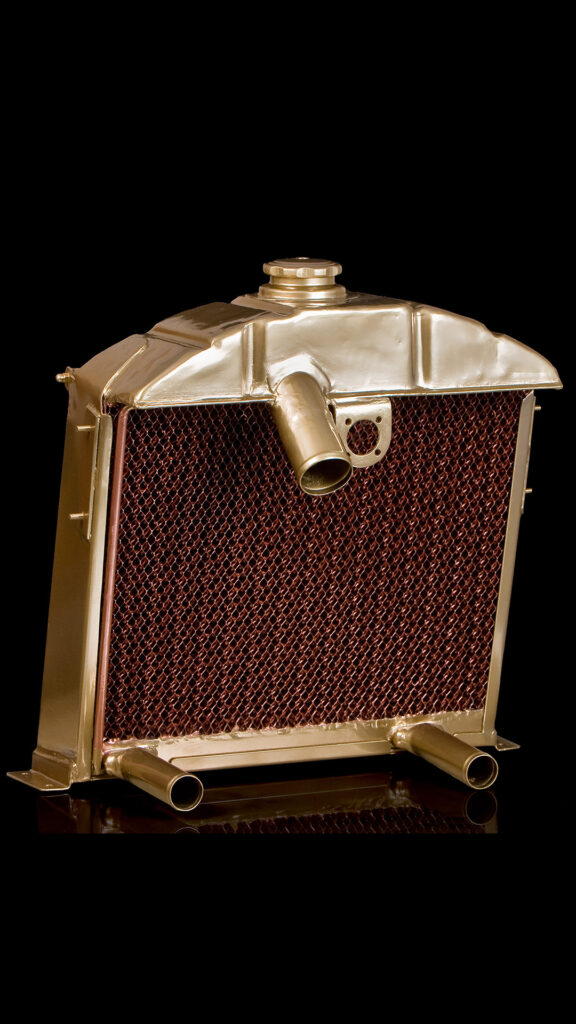
That is where our story starts. Only with the car did Kühler become a widely recognised component. At that time Slovenian territory was still part of Austria-Hungary, tightly connected to the German speaking industrial and technical world.
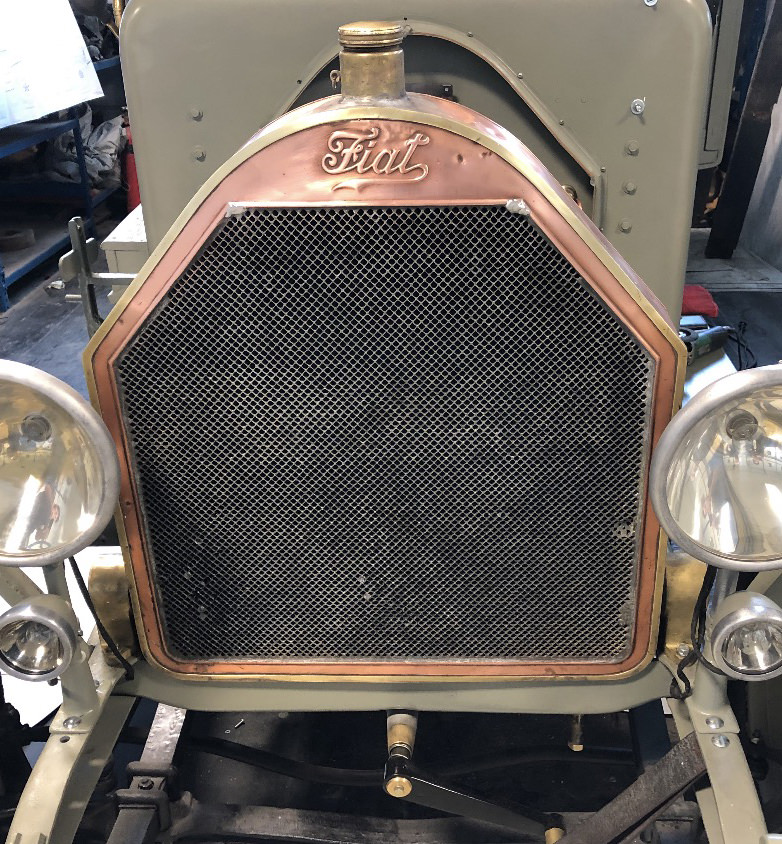
Why the word travelled so easily
Slovenian was in direct contact with German for centuries. The linguist Matej Šekli notes that the sound and meaning of German loanwords let us read off the periods and fields in which German culture influenced Slovenian. The most durable are the words that stay in dialects, in everyday speech and in the language of trades, which is exactly the world of craftsmen, machinists and mechanics.
So the direct route from Kühler to kiler is very likely. There is no need to assume the word travelled through Croatian or Serbian first. Slovenian territory had direct contact with German precisely while motoring was being born.
In 1929 the newspapers already wrote hladilnik
Looking for the earliest written record raises an interesting problem. Kiler was above all a spoken workshop word, while the press used the standard Slovenian hladilnik early on. In the newspaper Jutro of 21 September 1929, a motoring column advises service staff to check, among other things, whether the radiator is running too hot.
That does not mean nobody said kiler in 1929. It only means it is much harder to catch in print. Workshop speech and editorial language are not the same thing.
A solid milestone: 1951
The strongest early dictionary evidence in the former Yugoslav area comes from 1951. A study of machine engineering terminology in the early editions of Klaić’s dictionary of foreign words cites the entry kiler, from German Kühler, a car radiator, and classes it among the Germanisms common in machine shop slang.
If the word was established enough in 1951 to be explained in a dictionary of foreign words, it was almost certainly alive in speech well before that. How much earlier, we cannot claim without an older direct record.
Slovenian dictionaries call it a Germanism
The dictionary of German loanwords in Slovenian, Arcticae horulae, is direct about it: kiler (Kühler) is hladilnik. The printed edition appeared in 1997, the digital one in 2020.
The dictionary of the Poljane dialect also records kiler as the radiator of a car, der Kühler. That is valuable evidence that the word really lived in dialect and everyday speech, not only as a citation from neighbouring languages.
Similar use exists further south. The Croatian language portal has its own entry for kiler, marked regional and technical, explained as a car radiator with the etymology German Kühler.
Why kiler never disappeared
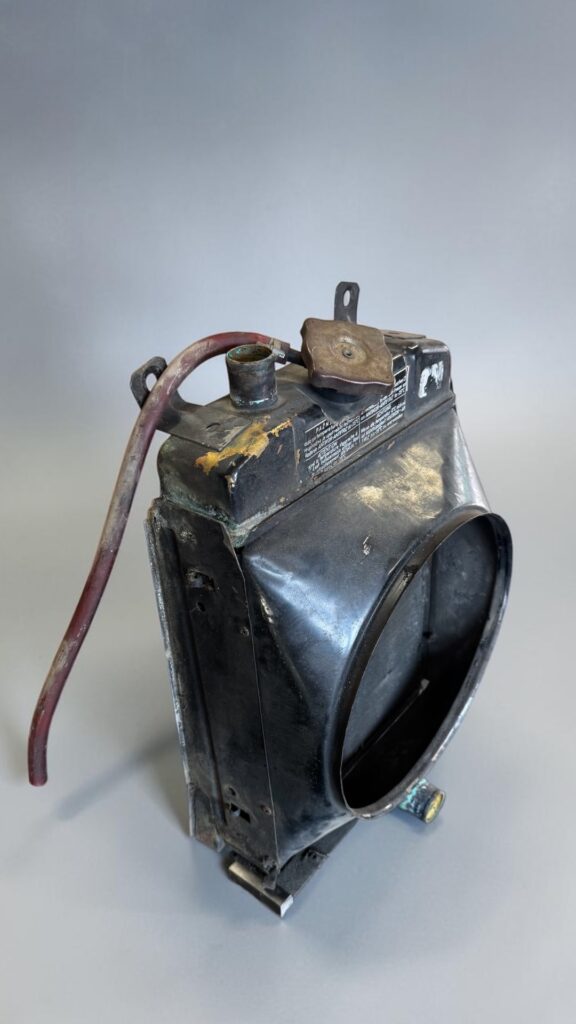
Technical slang has a long memory. A mechanic can use a term for decades without knowing where it came from. When an apprentice hears kiler, lager or šrauf from his master, these are not foreign dictionary entries to him, they are the names of the things he works with every day.
So kiler survived long after standard Slovenian had its own word. The two took on different jobs.
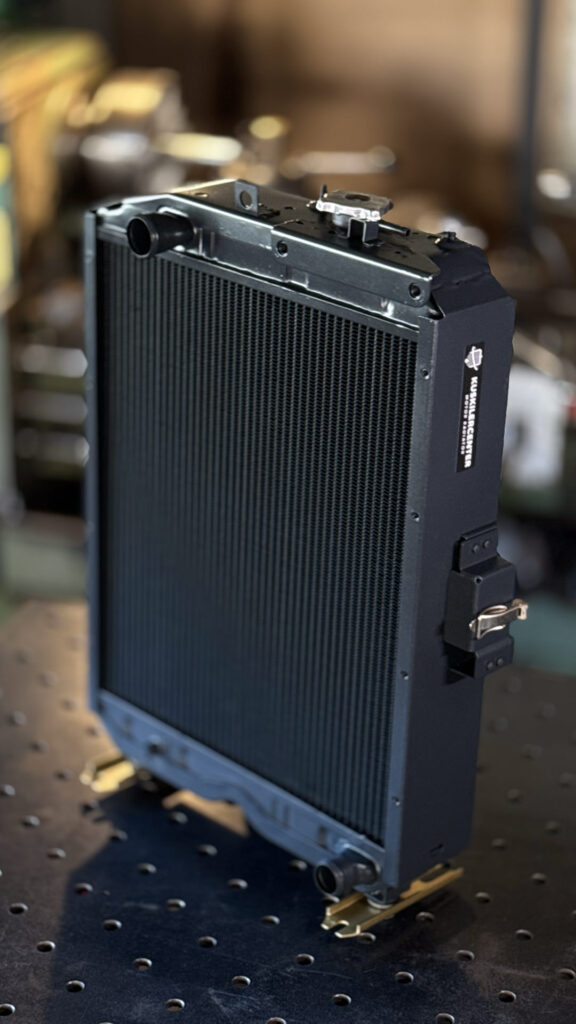
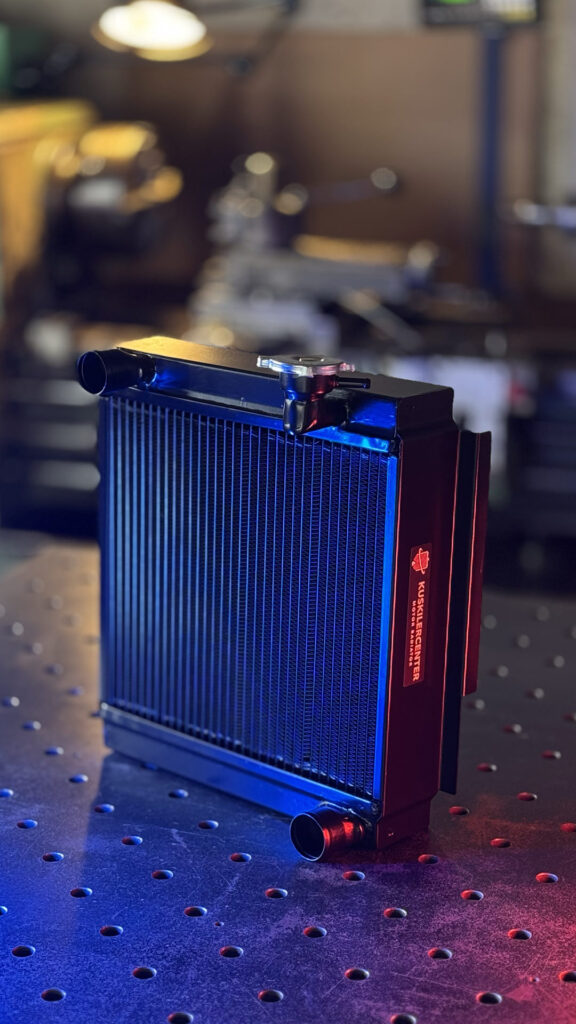
Hladilnik is the catalogue word. Kiler is the workshop word.
Three words that only sound alike
Two traps show up quickly in the research. The first is the English killer. It has no etymological connection at all with the car radiator, only an accidental resemblance in sound, which linguists like to use as an example of false friends between languages.
The second is the Balkan word kiler or ćiler, a pantry or food store, connected with Ottoman Turkish and older Mediterranean routes. It has nothing to do with the German Kühler either. When searching old sources you have to check the meaning of every hit, not just the spelling.
What is not proven
The most tempting claim would be that Slovenian mechanics were already using kiler before the First World War. That is entirely possible and, given the historical situation, even likely, but we have no direct Slovenian record from 1900 to 1918 that proves it.
The honest summary is this. The automotive Kühler appears as a technical concept at the turn of the century. Slovenian territory was then inside a German speaking technical world. The sound shift from Kühler to kiler is natural. By 1951 the word is documented as an established Germanism in machine shop use, and modern Slovenian sources recognise it as a German loanword. The exact first Slovenian record remains an open research question.
Timeline
- 1897 Maybach develops a tubular radiator for more efficient engine cooling.
- 1900 The honeycomb radiator in the Mercedes 35 PS, patent filed on 20 September 1900.
- 1900 to 1918 The most likely period for Kühler to enter Slovenian workshop speech. Likely, but not yet directly documented.
- 21 September 1929 The Slovenian paper Jutro uses hladilnik in a motoring article.
- 1951 Klaić’s dictionary records kiler, from German Kühler, a car radiator.
- 1997 Arcticae horulae, the Slovenian dictionary of German loanwords: kiler (Kühler) is hladilnik.
- Today Kiler is still alive in everyday, dialect and workshop speech.
What this means for Kuskilercenter
The name Kuskilercenter is not a marketing idea. Kiler carries a far older technical and craft history. It comes from a language that shaped Central European engineering, and it took root here as the car arrived. It survived changing countries, standardised terminology, new technologies and several generations of mechanics.
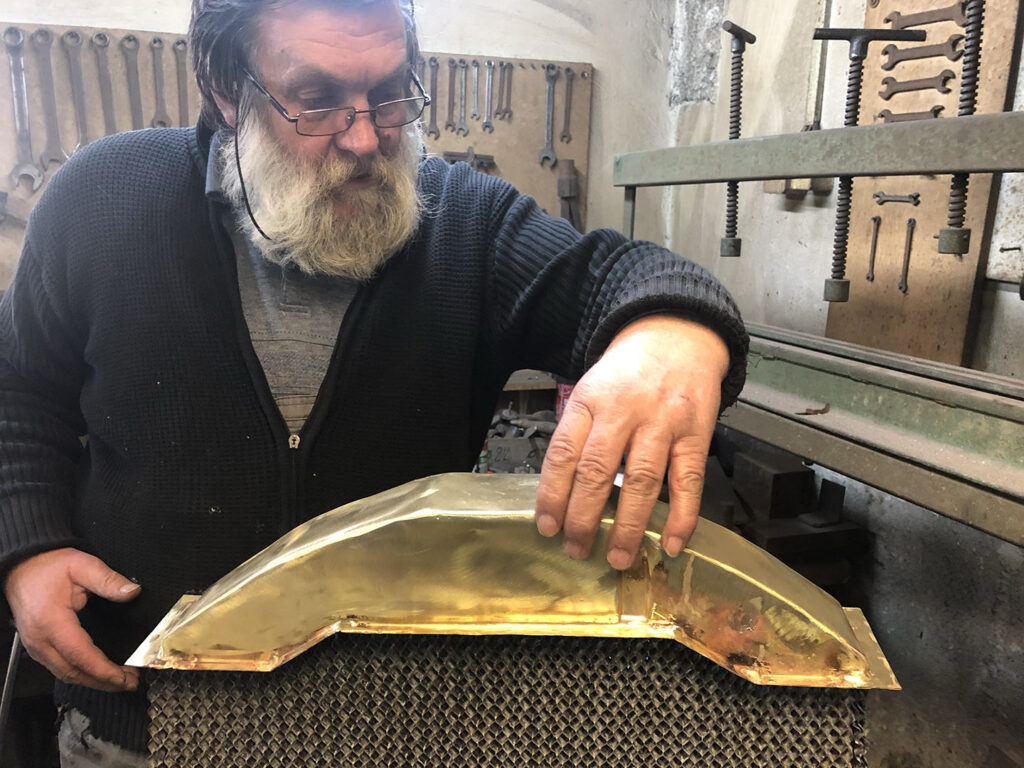
For a workshop that restores and builds radiators, there is something honest in that. The word says something not only about the product, but about the people who repaired, soldered, welded, cleaned and built it for decades.
Kiler. The word that arrived with the car and stayed in our workshops.
Sources
- Duden, entries Kühler and the kühl, kühlen word family
- Arcticae horulae, dictionary of German loanwords in Slovenian, entry kiler (1997, digital 2020)
- Mercedes-Benz, historical account of the radiator and grille (1897, 1900)
- Matej Šekli, on the semantic fields of German loanwords in Slovenian
- Jutro, 21 September 1929, motoring column
- Snježana Kereković, machine engineering terminology in Klaić’s dictionaries of foreign words (1951 entry)
- Dictionary of the Poljane dialect, entry kiler
- Croatian language portal, entry kiler
- Janko Jurančič, Serbo-Croatian to Slovenian dictionary
Behind every cooler, a craftsman.